A New Era of Space, Shipping, and Scalability for Midwest Entrepreneurs
The trucking industry has always been a backbone of small business growth in America, but the rise of e-commerce has changed the demands placed on founders. Business owners not only need freight capacity and reliable carriers, but they also need flexible warehouse space, cooperative work environments, and the ability to receive and ship products quickly. That is why the rapid expansion of Elevator, the Midwest’s growing co warehousing and co working platform, is gaining attention across the logistics community.
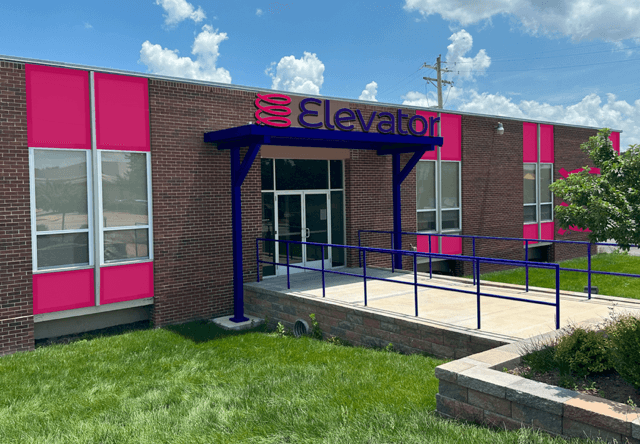
Founded in Omaha and now operating in Des Moines, Elevator will add new locations in Lincoln and North Kansas City this December, followed by a St. Louis facility in 2026. Each location offers a blend of warehouse infrastructure, office space, shipping stations, and community support designed specifically for modern small businesses. The growth of Elevator aligns directly with the realities of freight. More inventory. More parcel volume. More LTL and truckload traffic. More demand for loading docks and fast outbound shipping. This is a logistics story as much as a small business one.
Built for the Realities of Freight and Fulfillment
Small businesses that once shipped a few boxes a week are now shipping pallets. A brand that grew from a garage now needs to receive full truckloads from carriers. The gap between home operations and traditional warehouse leases has become a barrier for growth. Elevator’s founders, Shannon and Emiliano Lerda, lived this problem themselves.
Their ecommerce business exploded while they were still packing orders in their Omaha home. As Shannon put it: “We created Elevator because we could not find a space that gave us room to grow. We knew if we needed this, other entrepreneurs needed it too.” This experience shaped Elevator’s logistics minded design, including dock-high and drive in loading docks, flexible warehouse units sized for early growth, twenty four hour access, shipping stations that support FedEx, UPS, USPS, DHL and private carriers, pallet storage, content studios, and on site coworking for back end operations. For trucking partners, this creates more predictable pickup points. For small businesses, it eliminates the inefficiencies of managing freight from residential addresses.
The Growing Footprint Across the Midwest

Elevator’s expansion aligns with major freight corridors across the region. Current and upcoming locations include Omaha, Des Moines, Lincoln, North Kansas City, and St. Louis in 2026. This corridor connects directly to I 80, I 29, I 35, and I 70. By placing co warehousing hubs along these routes, Elevator is creating strategically positioned micro distribution points for small and mid sized brands. These companies now gain access to the same logistical advantages enjoyed by much larger competitors. That shift is significant for first time founders and growing ecommerce businesses.
Why Co Warehousing Is Becoming Essential for Small Business Logistics
Small businesses and emerging ecommerce brands often face the same problems: no room for inventory, no access to loading docks, inefficient shipping workflows, unpredictable delivery windows, and carriers unable to pick up from residential neighborhoods. Co warehousing solves these issues by giving founders access to commercial grade infrastructure without long term leases. Inside an Elevator facility, shipments arrive and depart throughout the day.
Boxes come in on parcel carriers. Pallets come in via LTL and truckload. Outbound shipping moves through dedicated packing and labeling stations. This creates high-density, predictable pickup points for freight companies while giving small businesses a scalable and affordable shipping environment.
How Space Translates Into Growth
Nineteen year old Caeden de Bruin is one of Elevator’s most compelling examples. His fashion brand, E for Enything, started in a guest bedroom in his parents’ home. As online orders increased, his space disappeared and production slowed.
When he moved into Elevator’s Des Moines location, his entire workflow changed. “I get three times as much done now. Having a real studio and someone helping means I can focus on the art and the vision,” Caeden said. More space meant more output. More output meant more shipping. That pattern is consistent across the region. Elevator is not simply warehouse space. It is a logistics accelerator for small businesses.
Co Working and Community Create Additional Lift
One of the most overlooked advantages of co warehousing is the built in support system. Many founders attempt to scale alone, but as Omaha entrepreneur Joseph Kenney noted after an interview with UFC veteran Houston Alexander, “Dreams need support.” Kenney added that he learned this the hard way in his own companies.
Elevator’s facilities are built to provide that support. Members collaborate on packaging tips, shipping options, carrier pricing, workflow design, and content production. This collaboration strengthens the small business sector in every city where Elevator operates.
The Road Ahead for Elevator and the Midwest Freight Economy
With Lincoln and North Kansas City opening in December and a major St. Louis expansion planned for 2026, Elevator is positioned to impact freight density, carrier efficiency, and small business scalability across the Midwest. These new hubs will support more carrier access, more outbound parcel volume, more LTL pickups, more predictable schedules, and more opportunities for local and national trucking companies to integrate with emerging brands. For small businesses, this means scaling without traditional warehouse risk. For carriers, it means concentrated lanes and consistent shipping partners. For the region, it means economic growth.
Why Elevator’s Growth Matters to the Trucking Industry
Co warehousing is becoming an essential part of the modern supply chain. Small businesses are shipping more products than ever. They need affordable warehouse infrastructure, commercial loading docks, and convenient access to multiple carriers. Elevator provides all of that and more. As new locations open across Omaha, Des Moines, Lincoln, Kansas City, and eventually St. Louis, the Midwest trucking network will feel the impact. More freight. More consistency. More volume. More opportunity. The growth of Elevator is not only a business story. It is a logistics story that will shape how small businesses ship, scale, and compete across the region.

