Phoenix is becoming one of the most important AI data center markets in the country.
That shift is usually discussed through the lens of power, land, tax incentives, and hyperscaler expansion. All of that matters. But there is another side of the story that deserves more attention: freight, industrial logistics, and the physical movement of materials that make large-scale digital infrastructure possible.
As Phoenix grows into a bigger hub for AI data center development, trucking companies, industrial suppliers, and logistics operators may start to feel the effects in very practical ways. These projects are not abstract pieces of the digital economy. They are construction-heavy, equipment-intensive facilities that rely on complex delivery coordination from the first phase of site development through final buildout.
That means Phoenix’s rise in AI infrastructure may matter not only to developers and technology companies, but also to carriers, freight networks, and the broader industrial logistics ecosystem.
Why Phoenix Is Getting So Much Attention
Phoenix has emerged as one of the top U.S. markets for AI data center development thanks to strong regional growth, expansion capacity, and continued infrastructure investment.
The city has become a major destination for data center activity because it offers room to expand across the metro, access to large industrial development corridors, and a business environment that continues to attract mission-critical facilities. That growth has helped put Phoenix into the national conversation alongside other major digital infrastructure markets.
For a broader look at the cities leading this trend, see this breakdown of the best cities for AI data centers.
AI Data Centers Are Also Major Physical Projects
It is easy to think of AI data centers as purely digital assets. They are not.
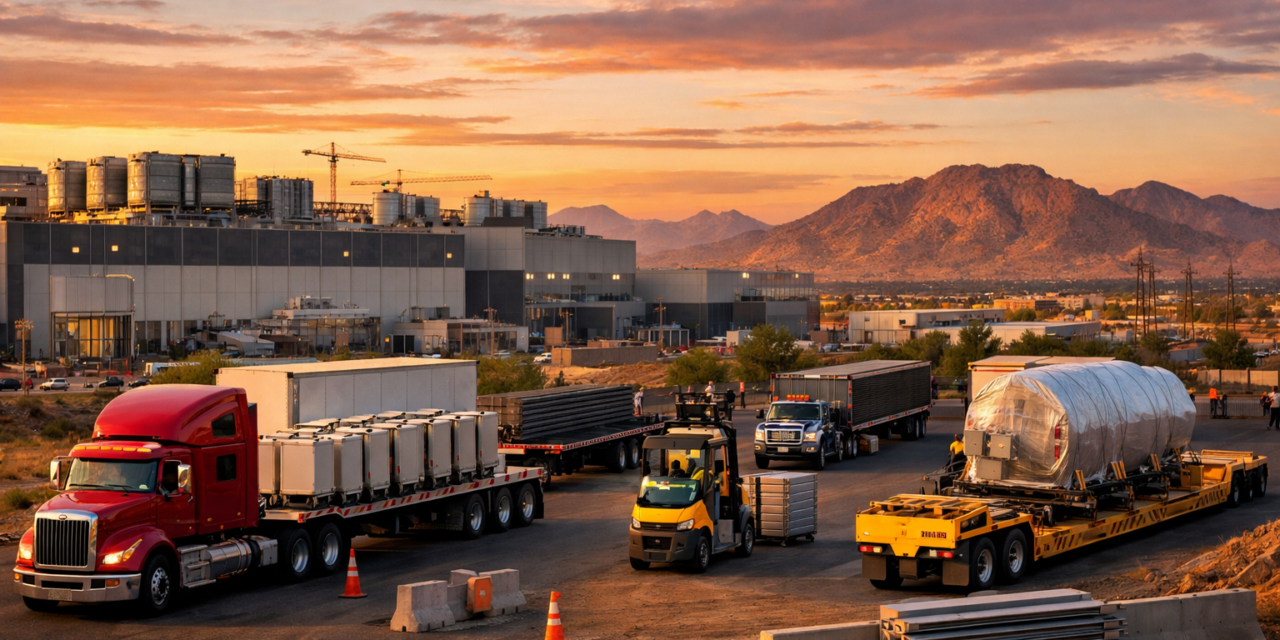
These are large, highly specialized facilities that require substantial physical infrastructure. Their construction often depends on coordinated deliveries of structural materials, electrical systems, cooling infrastructure, backup power equipment, and specialized components that are too large, too sensitive, or too time-critical for ordinary freight planning.
Depending on the project, shipments may include:
- steel and concrete materials
- backup generators
- switchgear and transformers
- cooling equipment
- large mechanical systems
- prefabricated infrastructure components
- security and control systems
- electrical distribution equipment
In other words, when a city becomes a major data center market, it can also become a more active logistics environment.
What This Could Mean for Freight in Phoenix
Phoenix already plays an important role in regional transportation and industrial growth. AI data center development adds another layer to that story.
As these projects expand across Phoenix, Mesa, Goodyear, Glendale, and nearby growth corridors, they may create additional demand for:
- heavy haul and specialized equipment transport
- construction material delivery
- time-sensitive jobsite logistics
- industrial warehousing support
- last-mile coordination for large infrastructure projects
- more complex scheduling around secure sites and active builds
This does not mean every carrier in Arizona will suddenly turn into a data center specialist. It does mean that major digital infrastructure projects can create freight demand patterns that ripple into surrounding industrial markets.
For carriers and logistics companies watching where future construction-related volume may emerge, Phoenix is a city worth paying attention to.
Why Phoenix Creates a Unique Logistics Environment
Phoenix is not just growing. It is growing in a way that matters for physical distribution.
The metro’s scale, regional sprawl, and industrial expansion create a logistics environment where route planning, timing, and coordination can have an outsized impact. Moving oversized or high-value equipment into active project zones requires more than basic dispatch. It often demands alignment between contractors, site teams, delivery schedules, utility timelines, and access limitations.
That challenge becomes even more important on mission-critical facilities, where delays are expensive and installation sequencing matters.
The more Phoenix becomes a center for AI infrastructure, the more it also becomes a city where logistics precision matters.
The Overlooked Side of AI Infrastructure: Site Readiness
One part of this story often gets ignored.
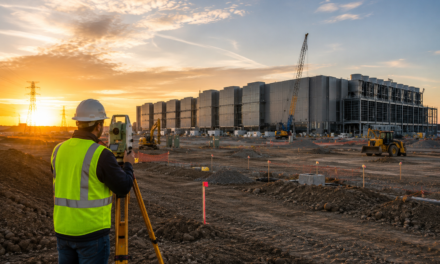
Before a data center can operate, and long before the final equipment arrives, the site itself has to be ready. That means layout, utility visibility, field coordination, and accurate construction data all have to come together early in the process.
That is where specialized project partners matter.
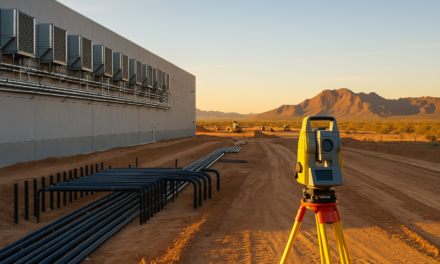
For example, firms providing site development and utility mapping in Arizona play an important role in helping large infrastructure projects move from concept to construction reality. On complex builds, accurate survey control, as-built verification, construction staking, and underground utility mapping can directly affect schedule performance and downstream coordination.
AI data center growth may look like a technology story from a distance. Up close, it is also a field execution story.
Why Trucking Companies Should Watch Data Center Markets
Most trucking businesses do not need to become experts in cloud computing to benefit from understanding where data center growth is happening.
What they do need to understand is that large digital infrastructure markets can signal broader freight opportunities. New facilities often mean more construction activity, more equipment movement, more industrial supplier demand, and more support services needed across the project lifecycle.
For Phoenix, that could mean increased attention from:
- specialized carriers
- industrial suppliers
- equipment transport providers
- warehousing and transload operators
- construction-focused logistics teams
The point is not that AI data centers replace traditional freight demand. The point is that they can become another meaningful source of industrial logistics activity in fast-growing markets.
Why This Matters Beyond Tech
Phoenix’s AI data center growth is not only about servers and computing capacity. It is also about how modern infrastructure gets built.
That process touches transportation, construction, utilities, surveying, industrial land, and regional supply chains. For trucking companies and logistics professionals, these developments are worth watching because they reveal where future freight demand may be forming beneath the surface.
The digital economy still moves through the physical world. It travels on highways, arrives on trailers, and gets installed through coordinated jobsite execution.
That is why the growth of AI data centers in Phoenix matters far beyond the tech sector.
Final Thoughts
Phoenix is emerging as one of the most important cities in the next wave of AI data center development. That makes it relevant not only to developers and hyperscalers, but also to the freight and industrial logistics networks that support large-scale construction.
For trucking companies, carriers, and logistics operators, the opportunity is not in pretending to be part of the tech world. It is in recognizing how infrastructure growth creates real movement in the physical economy.
Phoenix may be rising as an AI city, but it is also becoming a more important city for the freight systems that help build that future.
If you want the smartest overview of the broader market, start with this guide to the best cities for AI data centers. And if your angle is field execution in Arizona, it is also worth looking at firms that support complex infrastructure projects on the ground.
FAQ
Why would AI data center growth affect trucking?
Because data centers are major construction projects that depend on deliveries of structural materials, electrical equipment, cooling systems, backup power infrastructure, and other specialized components.
Why is Phoenix important for AI data centers?
Phoenix has become a leading market because of its growth capacity, regional expansion, and strong appeal for major infrastructure development.
What kinds of freight demand can data center projects create?
They can increase demand for heavy haul transport, time-sensitive construction deliveries, industrial warehousing support, and last-mile coordination for specialized equipment.
How does surveying fit into data center development?
Surveying supports site control, utility mapping, construction staking, and as-built verification, all of which help large infrastructure projects move efficiently from planning into execution.