
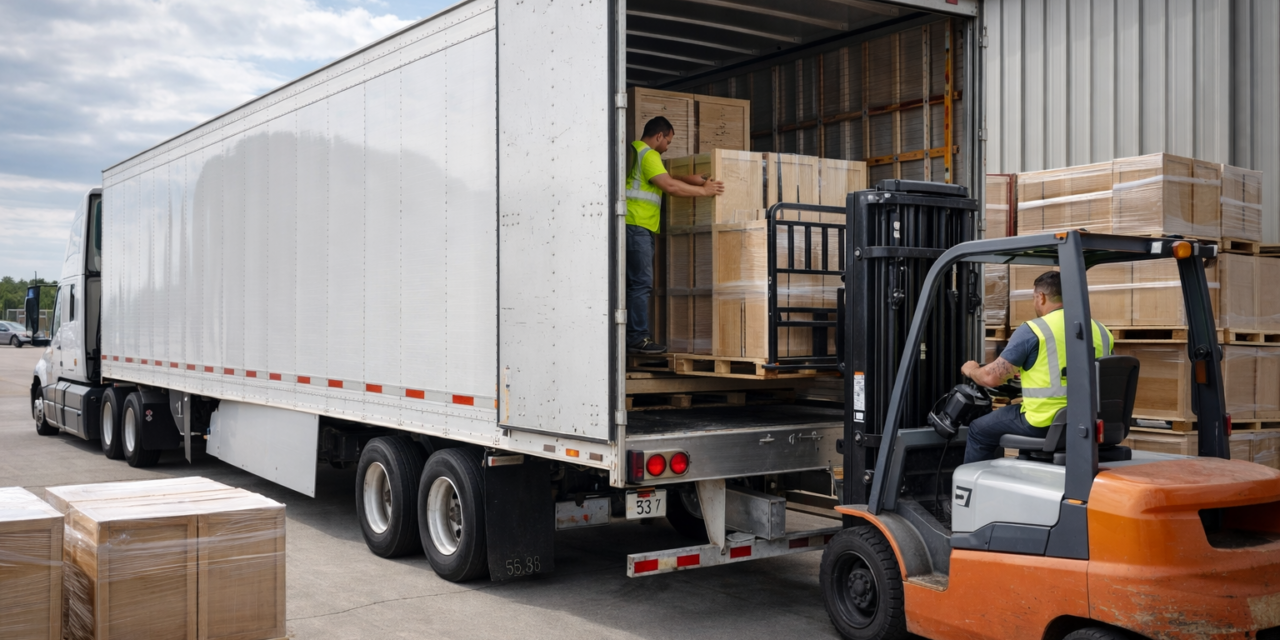
Multi-family construction doesn’t just rely on steel, concrete, and heavy equipment. Some of the most schedule-sensitive components of a build happen after the framing is complete — and cabinetry is one of them.
For developers and general contractors, choosing a multi family cabinet manufacturer in Omaha is no longer just a procurement decision. It’s a logistics strategy.
Across the Midwest, builders are increasingly reevaluating how interior finish materials move from production floor to job site. Freight volatility, supply chain disruptions, and long-haul dependency have forced construction teams to prioritize reliability over distance-based cost savings.
Cabinet manufacturing has quietly become a critical link in the commercial construction supply chain.
Cabinetry as a Logistics Variable
On multi-family and commercial projects, cabinetry is delivered in phases — not all at once.
Apartment complexes, senior living communities, and mixed-use developments often require:
Sequenced unit deliveries
Staggered installation windows
Repeat production runs
On-site staging coordination
Replacement shipments for damage or change orders
When cabinets ship from national distribution hubs or overseas suppliers, a single freight delay can ripple through:
Countertop scheduling
Appliance installation
Flooring crews
Final inspections
For builders operating in Nebraska, Kansas, Missouri, and surrounding markets, working with a commercial cabinet manufacturer in Nebraska reduces exposure to long-haul freight disruption.
Shorter freight lanes mean fewer variables.
The Rise of Regional Manufacturing
Over the last several years, construction supply chains have tightened.
Fuel fluctuations, port congestion, container shortages, and unpredictable transit times have forced many developers to reconsider their sourcing strategies. Increasingly, production cabinetry for contractors is shifting back toward regional manufacturers.
A multi family cabinet manufacturer in Omaha serving Midwest markets offers several operational advantages:
Reduced freight mileage
Faster delivery cycles
Lower damage exposure
Easier coordination with job sites
More predictable production schedules
Regional manufacturing doesn’t eliminate logistics — it simplifies it.
Freight Predictability vs. Freight Distance
In commercial construction, predictability matters more than theoretical cost efficiency.
When cabinetry arrives late:
Countertops wait.
Appliance vendors reschedule.
Punch lists expand.
Carrying costs increase.
Builders increasingly prioritize cabinet suppliers who can coordinate:
Scheduled deliveries
Repeat batch production
Delivery staging plans
Clear communication channels
Working with a cabinet supplier for builders that operates within a day’s drive reduces risk associated with long-haul trucking lanes and multi-state carrier coordination.
A Case Study in Regional Production
Manufacturers like Everlasting Cabinetry, operating out of Omaha, reflect this regional supply model. By focusing on production cabinetry for contractors rather than retail showroom sales, companies structured this way align directly with phased commercial construction schedules.
Instead of relying on national distribution networks, regional production allows:
Direct communication with manufacturing teams
Faster response to change orders
On-site problem resolution
Reduced dependency on container imports
For multi-family projects spanning Nebraska, Iowa, Kansas, and Missouri, centralized Midwest manufacturing offers geographic efficiency.
Installation Coordination and Delivery Sequencing
Cabinet manufacturing doesn’t end at production.
Delivery staging, installation sequencing, and final inspection timing all affect how materials move through a job site. Misaligned deliveries create congestion and rework.
Clarifying responsibility for:
Delivery timing
Installation coordination
Site access
Damage resolution
minimizes callback freight and secondary shipments.
From a transportation perspective, regional manufacturing reduces unnecessary return loads caused by misaligned staging.
What This Means for the Trucking Industry
Construction remains one of the largest drivers of regional freight demand. As builders shift toward regional suppliers instead of distant distributors, freight patterns evolve.
Trends emerging across the Midwest include:
Increased short-haul commercial deliveries
Reduced long-haul cabinet imports
Higher reliance on regional carriers
More predictable recurring routes tied to phased construction schedules
For trucking companies operating within a day’s drive of Omaha, the growth of regional production cabinetry creates stable freight lanes aligned with ongoing development projects.
The Bottom Line
Selecting cabinets for apartment complexes and commercial developments is no longer just a design decision. It’s a supply chain calculation.
For developers and general contractors, partnering with a multi family cabinet manufacturer in Omaha can improve coordination, reduce freight risk, and stabilize delivery cycles.
For the transportation industry, regional manufacturing signals a shift toward shorter, more predictable freight routes tied to sustained construction growth.
As Midwest development continues to expand, the relationship between manufacturing and trucking will remain tightly connected — even down to the cabinets inside each unit.

